

One Orange, Many Stories: A Conversation with Jalal Tarar
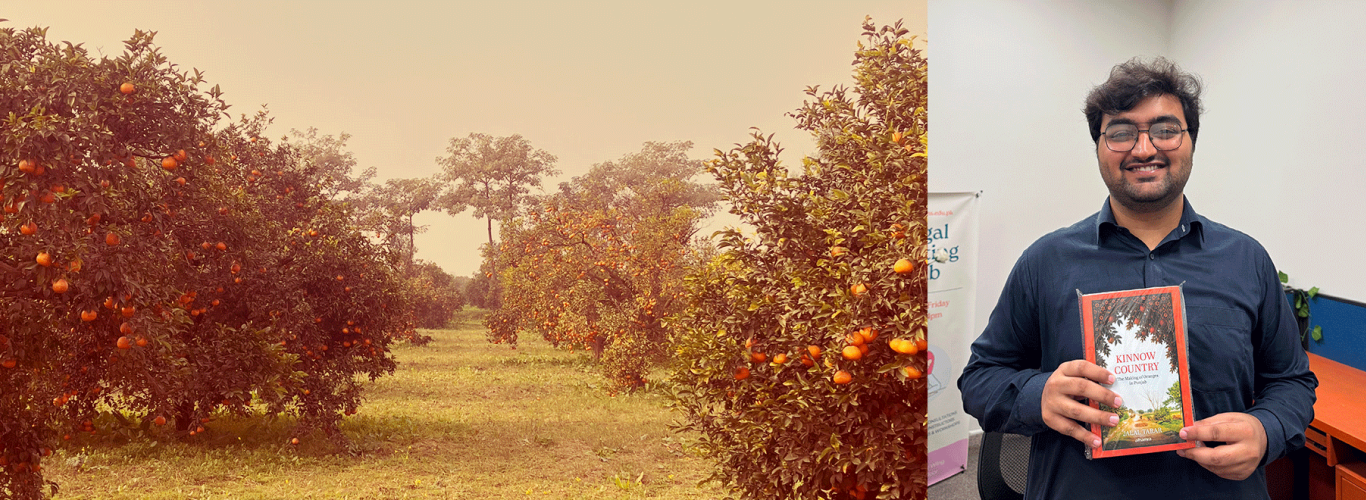


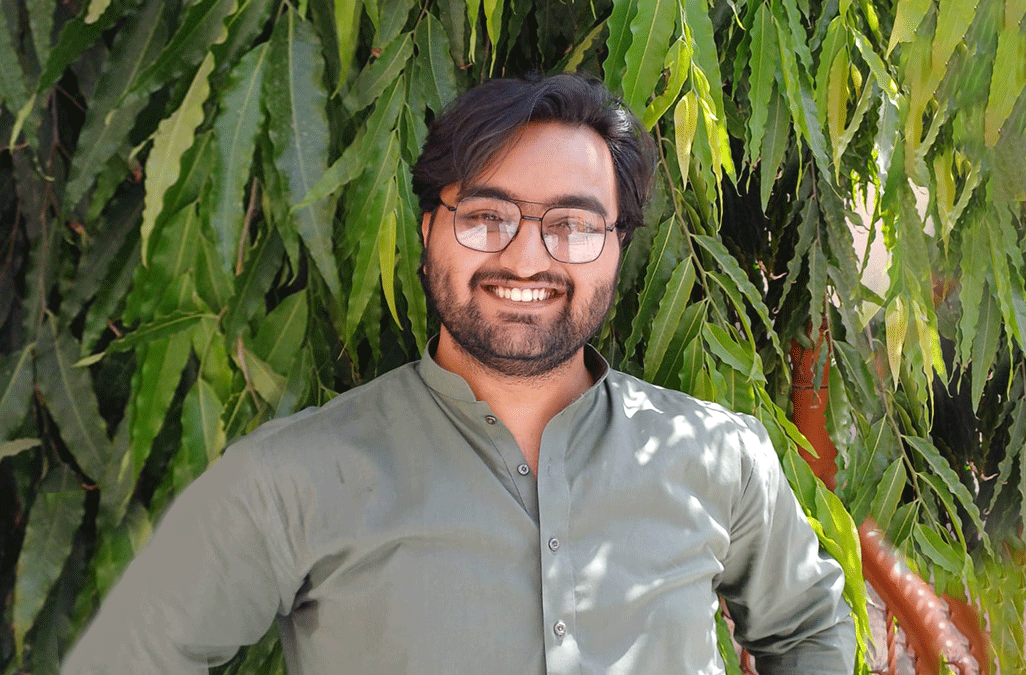
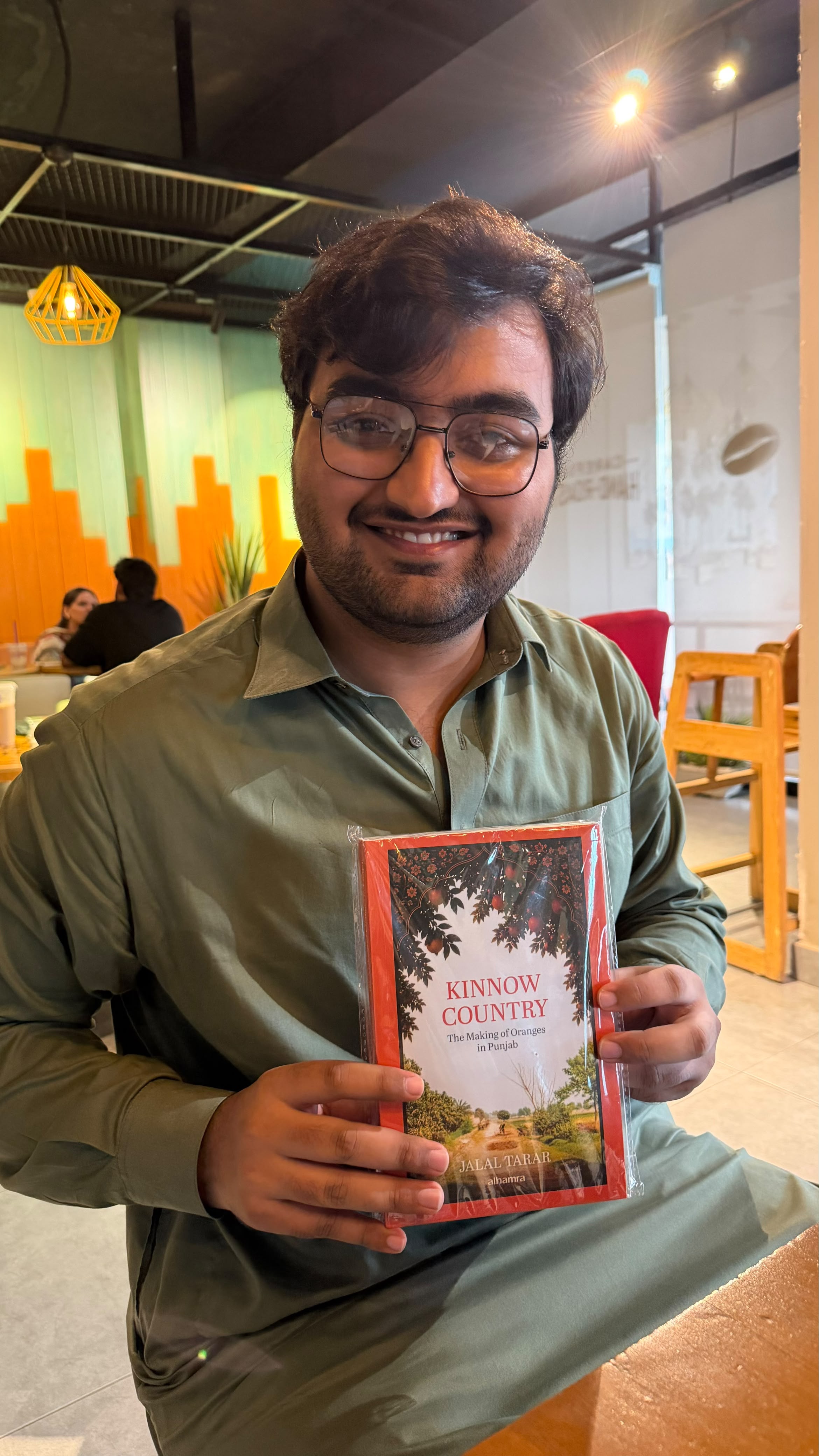
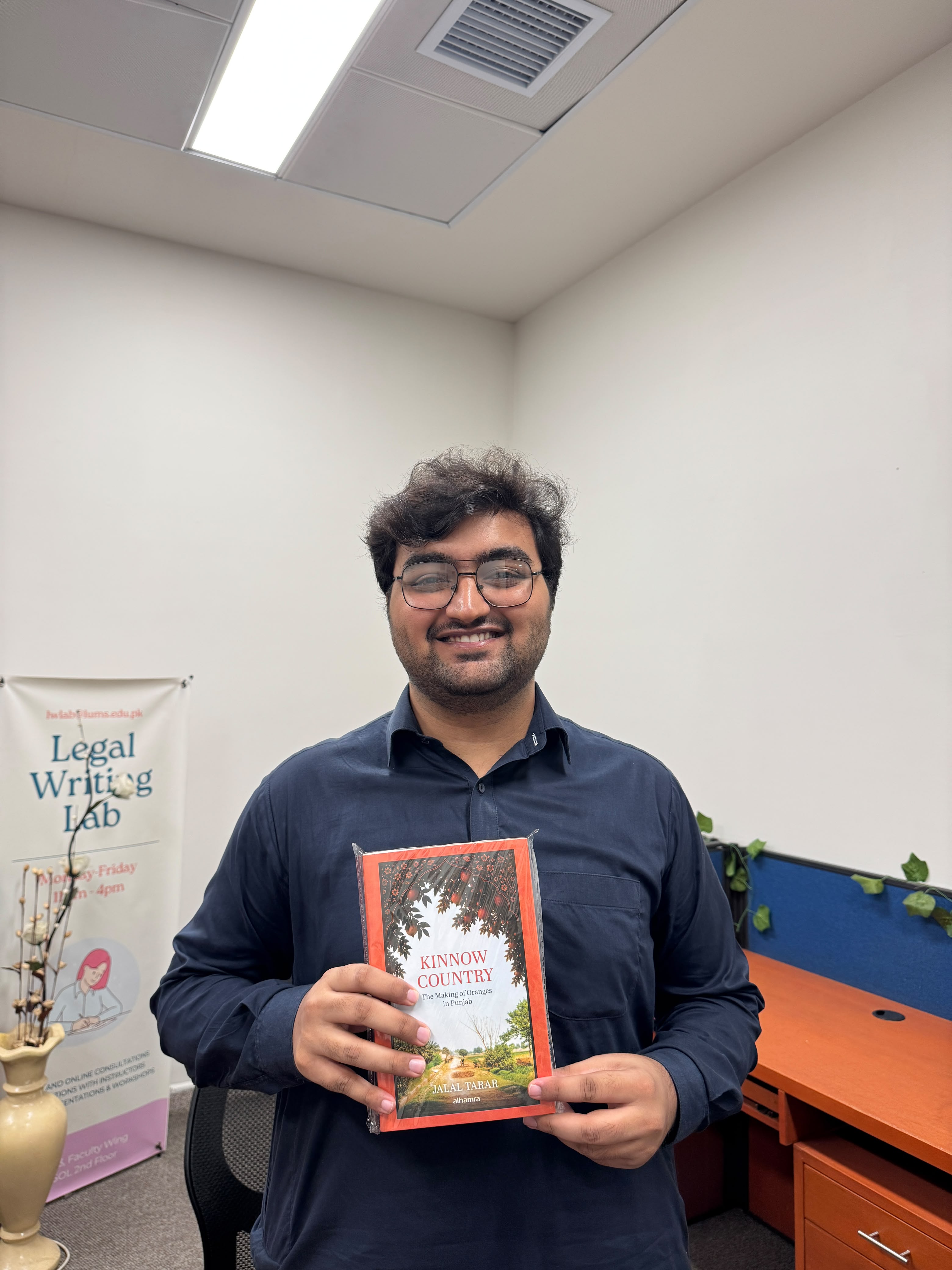
A deep curiosity about a fruit so familiar to home and to Punjab led Jalal Tarar to write Kinnow Country, a book that takes readers on an unexpectedly wide-ranging journey. A current LUMS student from the BA-LL.B Class of 2027, Jalal brings together colonial records, agricultural and scientific literature, policy reports, law, literature and art, alongside fieldwork and conversations with farmers and others involved in Punjab’s citrus industry. Some of his most valuable material came from conversations in the bagh, particularly with his father, who has spent much of his life both farming and practising law.
We spoke to Jalal about the stories behind the orange, the research that went into his book, his writing journey, and the discoveries that stayed with him along the way.
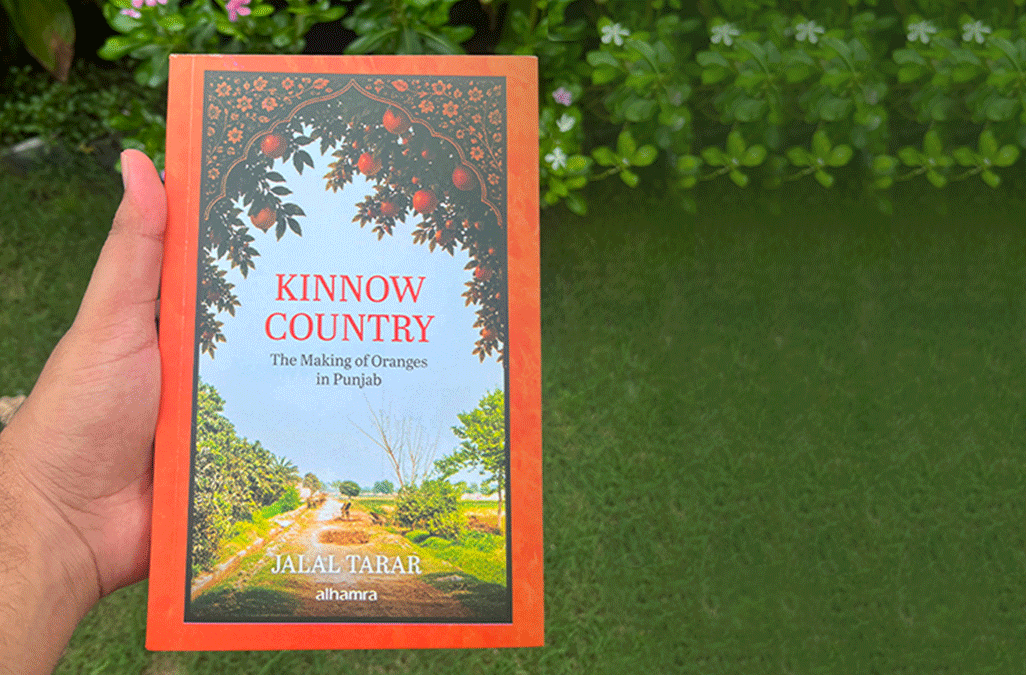
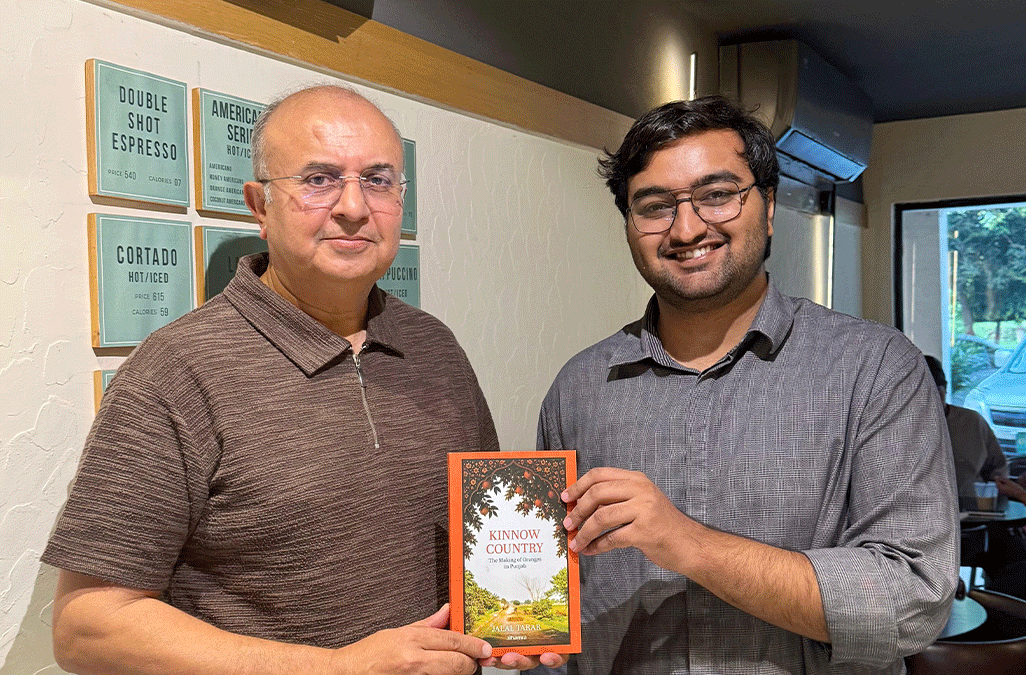
You can get a copy of Kinnow Country here.
Your prologue is called “Citrus Elsewhere.” What does “elsewhere” mean to you in the story of the orange?
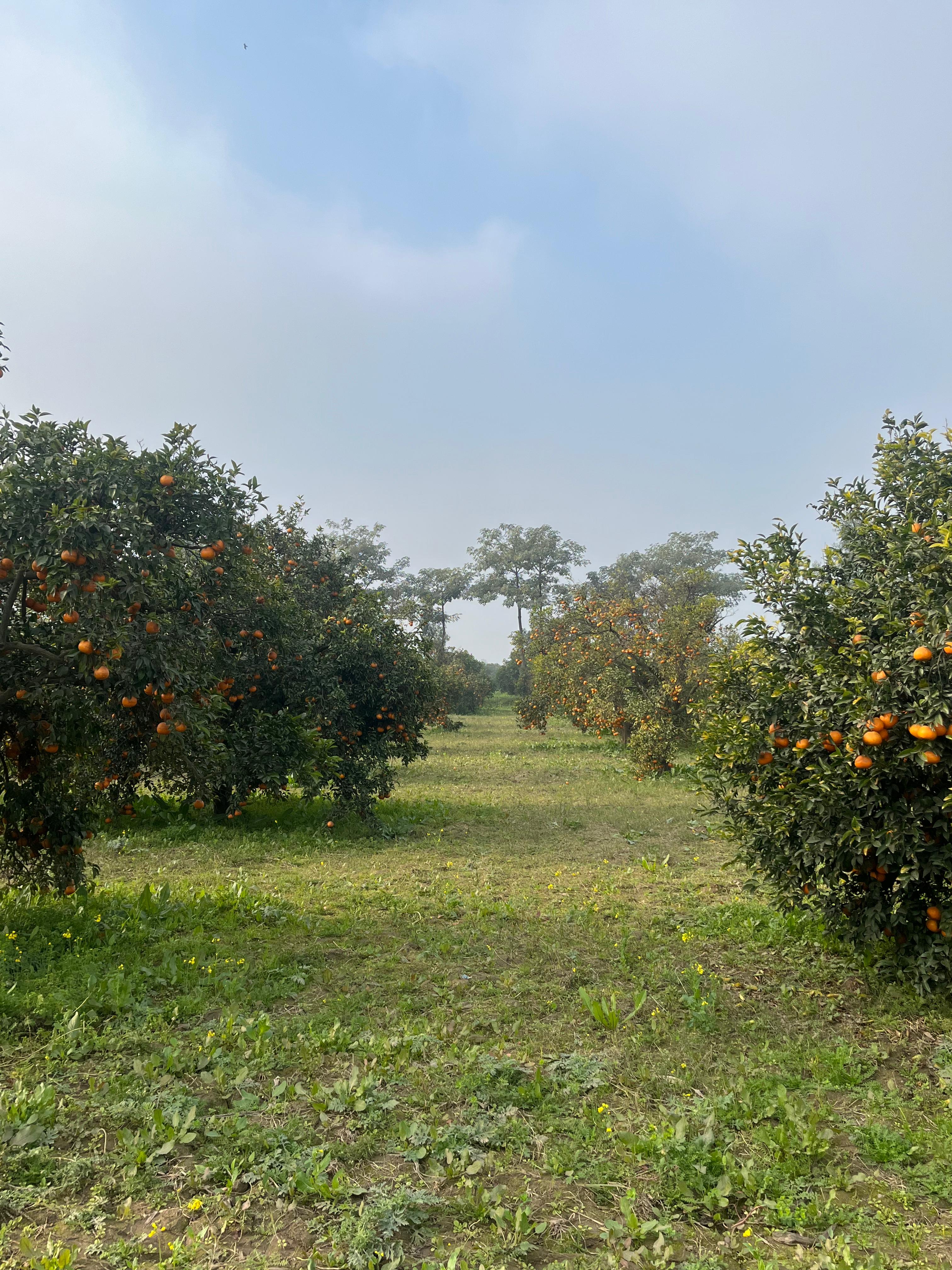
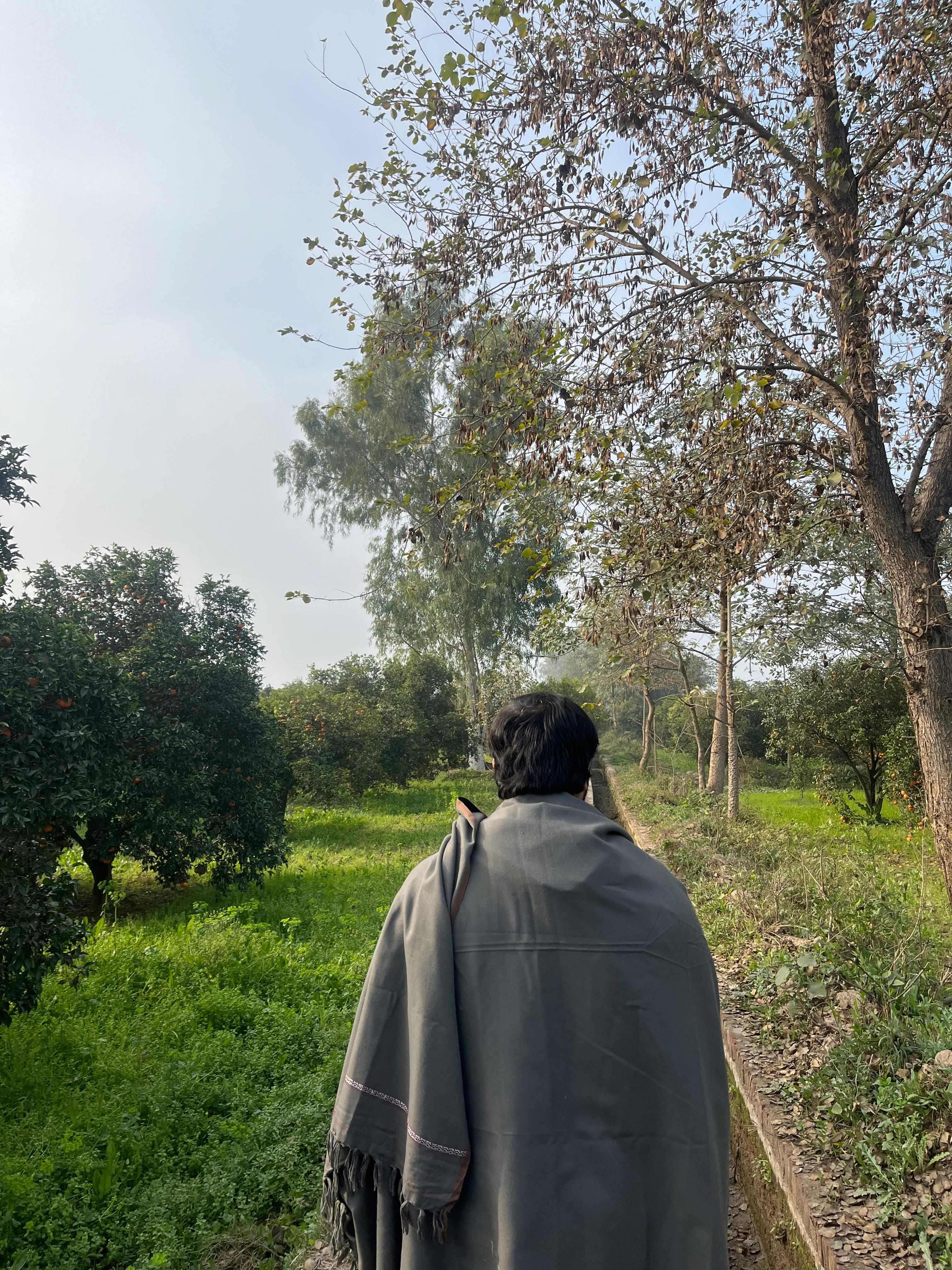
“Elsewhere” is really a question of one's vantage point. This is a book about Punjab, and even within Punjab I am looking at the world largely from Sargodha. That is where I come from, where my family grows kinnow, and where the fruit has transformed the landscape so completely that it can sometimes feel as though it has always belonged there.
But the orange has a much older and much larger history. Before I could tell the story of how Punjab became kinnow country, I felt I had to leave Punjab altogether. So the prologue travels through China and India, the Islamic world and the Mediterranean, Mughal gardens, and eventually the great citrus landscapes of California and Florida. These are all, from my particular vantage point, “elsewhere.” The rest of the book then comes home to Punjab, and more specifically to Sargodha.
I suppose there is something intentionally provincial about the title in that sense. We are used to histories in which places like Punjab appear as someone else’s periphery. I wanted to reverse the direction of the gaze. Sargodha gets to be the centre for once, and California can be elsewhere.
Has writing this book changed the way you look at an orange in everyday life?
I think it has made me notice oranges everywhere. Once you have spent this long thinking and writing about a single fruit, you start spotting it in places where you probably would not have given it a second thought before.
A recent example is Imtiaz Ali’s new film Main Vaapas Aaunga. The central character is from Sargodha and is called “Keenu” by the people back home. I only got around to watching the film after the book had already gone to print, and I remember immediately thinking that I would have loved to mention it. Kinnow became widespread in Sargodha somewhat later than the period in which the character grew up, but the association is unmistakable. The fruit has become so closely identified with the region that “Keenu” can function as a nickname that immediately locates someone within it.
I suppose that is what has changed. An orange rarely feels like just an orange to me anymore. I notice where it appears, what people call it, what they associate it with, and what it might be saying about a place without anyone consciously intending it to say anything at all.
 |  |
You’ve spoken about your mother’s influence on your writing, and you also write poetry. How have these shaped the way you write about history?
My mother is probably responsible for all of this in the first place. She has a Master’s in English Literature and got me into reading when I was very young. My childhood had a lot of Lord of the Flies and Macbeth in it. She also has a deeply artistic sensibility herself, some of which I may have inherited. Growing up, she gave me what she jokingly calls my “artistic licence,” which really meant that I was allowed to write about anything, including romance, without being embarrassed about it. At that age, that kind of freedom is crucial. It made writing feel like a space in which nothing was really off limits.
She was also deeply involved when I wrote my first book, The Mughal Dynasty, which was published when I was in Grade 8. We would debate and argue quite a lot, particularly when we disagreed about how I had interpreted something. Looking back, I think that was enormously important. She took my ideas seriously enough to disagree with them, and I had to learn very early that writing also meant defending a position, reconsidering it, and sometimes accepting that someone else had seen something I had missed.
Poetry came a little later. I actually started writing poetry because I was smitten with someone, which is perhaps as good a reason as any to start. I have been writing it for many years since, and I think it has affected my historical writing more than I consciously realised at first. Poetry teaches you to pay attention. Every word and image matters, and so does the rhythm. Sometimes a very small detail can carry an enormous amount of meaning. Those instincts followed me into writing history. I care about the argument and the evidence, of course, but I also care about whether the reader can see the orchard, feel the afternoon, or understand why a particular object might have meant something to the people who encountered it.
I have never really thought of my different kinds of writing as being at odds with one another. I write nonfiction, fiction, short stories, satire and poetry, and each lets me approach the world from a slightly different direction. They ask different things of me as a writer, and reveal different things in return. Perhaps all you can really do is keep changing the angle and hope you see a little more.
What was the experience of publishing a book in Pakistan like for you? Was there anything about the process that surprised you?
Since this is my third book, I imagined there was little left about publishing in Pakistan that could surprise me. I was proven wrong. Getting an article published can be difficult enough. Replace the article with a book, and add some of the particular challenges faced by writers in Pakistan, and it can become a rather Herculean task.
One thing that surprised me was how much your profile can matter before anyone gets to the work itself. Academic publishers are understandably interested in scholarly interventions, but it can be difficult to convince them that someone without a finished undergraduate degree yet, much less a PhD, can produce serious historical work. Some publishers filter submissions according to academic credentials or an established scholarly profile. I understood the scepticism, but it could still be frustrating when the work itself never really got the opportunity to answer it.
Trade publishing presents a different challenge. There, I had to keep reminding myself that publishers are businesses, and a manuscript also has to make commercial sense to them. What I found particularly disheartening was discovering that sometimes the calculation was not simply whether the book could sell, but whether I could be sold too. An author’s social media following, for example, could become part of the conversation. That is a difficult environment for books on subjects that may be worthwhile without appearing immediately glamorous or commercial. Publishers willing to take chances on unusual ideas are incredibly important to a reading culture. Some books deserve to exist because they begin conversations, preserve histories, or make us curious about things we have stopped noticing, even though they will not be bestsellers. A publishing culture needs room for those books too.
I was equally fortunate in the people who helped me navigate the process. Dr. Ali Usman Qasmi, Dr. Adnan Sattar, Dr. Raza Saeed, Professor Angbeen Atif Mirza at LUMS, and Ms. Mehr Hussain were extraordinarily generous with their time and advice. They demystified parts of the publishing world for me, advocated for the manuscript, connected me with people, and warned me when something did not seem right.
And there were certainly things that did not seem right. At one point, a publisher was interested in publishing the book but wanted his own name added as a co-author. Another established publisher offered to publish it if I paid for their investment myself. Experiences like these taught me that getting a book published cannot be the only objective. You also have to know what terms you are willing to accept to make that happen.
If I could offer one piece of advice to other young writers, it would be to be patient, read contracts carefully, ask people you trust for advice, and be willing to walk away. There were moments when I wondered whether this book would find a home at all. I am very glad I kept looking until it found the right one.
You’re currently a student at LUMS. Has your experience at LUMS influenced your interests or your writing in any way, especially while working on this book?
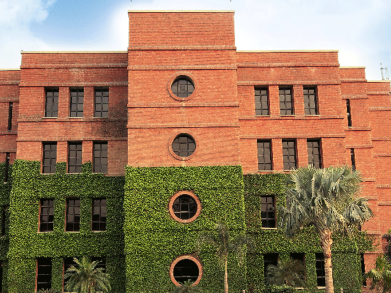
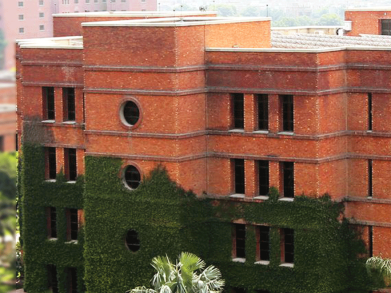
Absolutely. I am a far better historian now than I was when I first walked through the gates of LUMS. The History Department at MGSHSS has been a wonderful place to learn how to think historically, and I could probably write another book about everything I have learnt from its faculty.
For Kinnow Country specifically, Dr. Ali Usman Qasmi’s lectures on historical methods were enormously important (I still remember the classroom where those lectures took place in my first year, and Musfira and Aman, the two wonderful TAs for the course). They helped me think about how to design a historical inquiry around something as seemingly ordinary as a fruit, how to work through very different kinds of sources, and eventually how to turn all that research into something that could be read outside a strictly academic audience. Dr. Qasmi, Dr. Waqar Zaidi, Dr. Nadhra Shahbaz Naeem Khan and Dr. Ali Raza are also extraordinary people to bounce ideas off. They have that slightly intimidating ability to know something about almost anything you happen to bring up, but are incredibly generous with that knowledge.
It would also be remiss of me not to mention SAHSOL. Between the School of Humanities and Social Sciences and the School of Law, I have had the privilege of spending the last several years in what I can only describe as my intellectual home. Kinnow Country is not ostensibly a book about law, but my legal education is present throughout the way I researched and wrote it. SAHSOL taught me rigour, discipline, precision and, perhaps most importantly, to interrogate an argument rather than simply be persuaded by how confidently it is made. The faculty, seniors and peers I have encountered there have shaped me in ways that extend far beyond law.
And then there is the Gad & Birgit Rausing Library, an institution so dear to me. A very large part of this book was researched in its rooms, or through its astonishingly rich digital resources. Libraries can sometimes disappear into the background of a finished book, even though so much of the work happens inside them. Nadeem sb and Imran sb at the library were exceptionally helpful to me, both during the research and later as I navigated publication. I owe them a great deal.
So yes, LUMS influenced this book quite profoundly. The subject may have come from the kinnow orchards of Sargodha, but much of the historian who eventually returned to study them was made here.
 |  |