

Scholar Spotlight: Andleeb Shehzadi



"In my village, the birth of a son was celebrated, but daughters were met with silence and pity. I vowed to change that story."
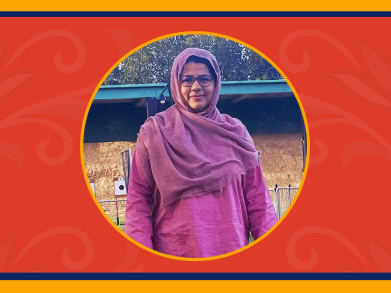
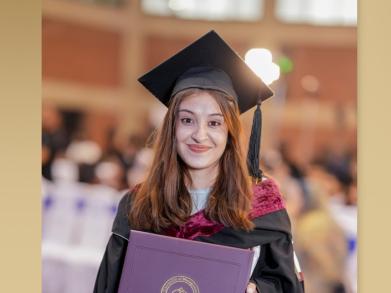
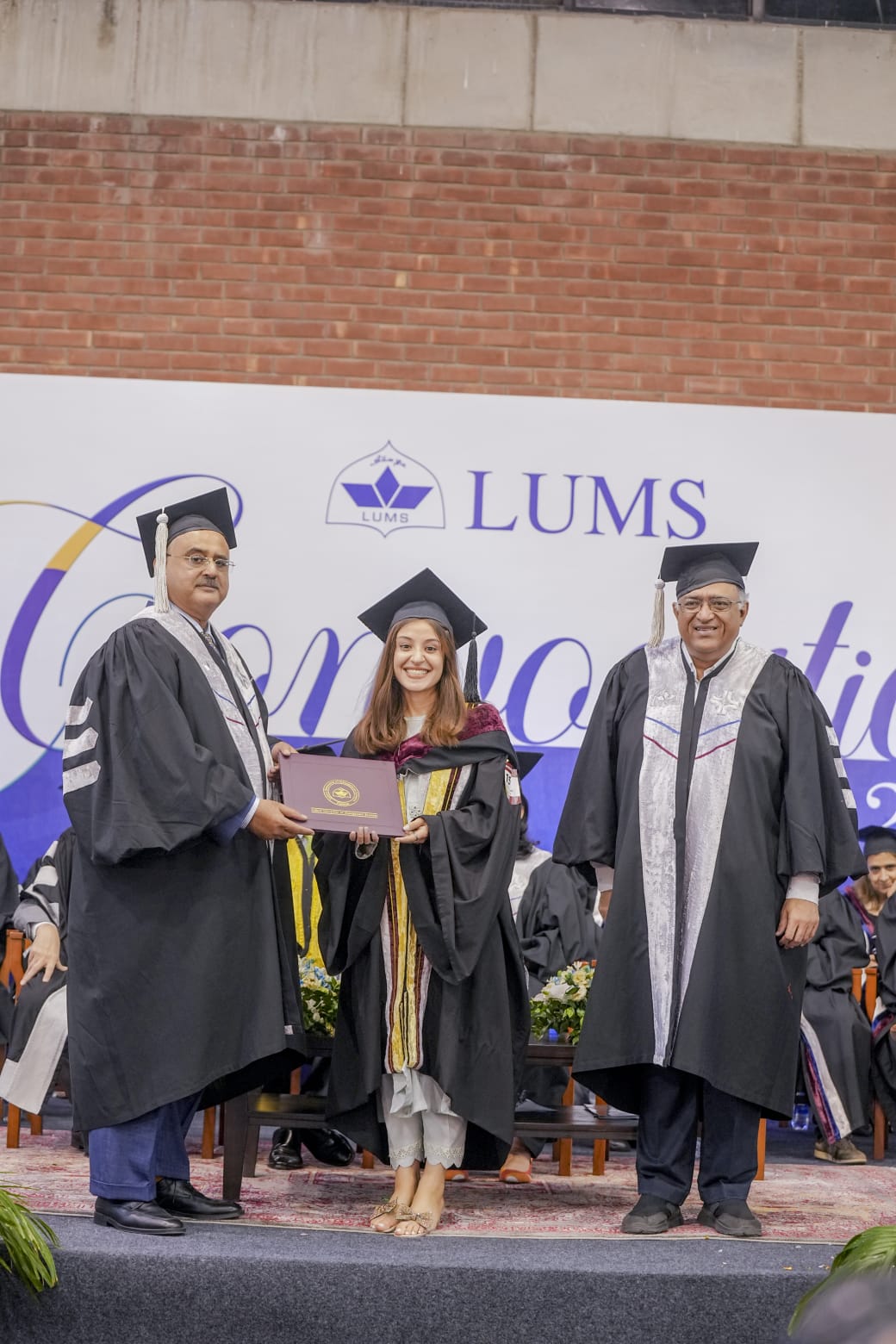
This is the story of Andleeb Shehzadi, a 2025 Economics graduate. We sat down with her to learn more about her upbringing and journey.
Can you share a bit about your background and what motivated you to pursue higher education, especially at LUMS?
In my village, the birth of a son was celebrated, but daughters were met with silence and pity. Watching my mother’s sadness, I vowed to change that story—for her, my family, and myself. I wanted to be the kind of daughter people never expected but deeply needed. Inspired by confident women I saw on TV and visiting foreigners, I dreamt of being seen, heard, and respected.
That’s when I started dreaming of studying at LUMS. I knew it was more than just a university; it was a place where people grew, where voices mattered, where you could walk in as one person and leave as another. I didn’t come from privilege, but I came with a heart full of purpose and the kind of determination that only comes from having seen the other side of silence.
You mentioned that the transition was tough in the beginning. Can you talk more about the challenges you faced and how you navigated them?
Coming from a small village, LUMS felt overwhelming at first—English conversations, social references, even fashion made me feel out of place. My roommate and a few close friends became my support system. Joining societies and the volleyball team helped me find belonging.
And then came academics, which was another storm entirely. I chose to major in economics because many seniors told me it was the best major at the Mushtaq Ahmad Gurmani School of Humanities and Social Sciences (MGSHSS). I trusted them. But the truth is, I had never even heard of economics as a subject before LUMS. I walked into my first economics class with no background, no context, and no confidence. I was lost. Classes were hard. Concepts flew over my head. I’d read and re-read chapters, trying to make sense of things. But I didn’t give up. I worked harder than I ever had. I was determined to survive. By the time I graduated, I had taken more 400-level economics courses than most students in my major, not just to meet the requirements, but because I had grown to love the challenge. I even earned an A+ on my senior year project. For someone who once didn’t even know what economics was, that felt like a full-circle moment.
How did the LUMS environment contribute to your growth?
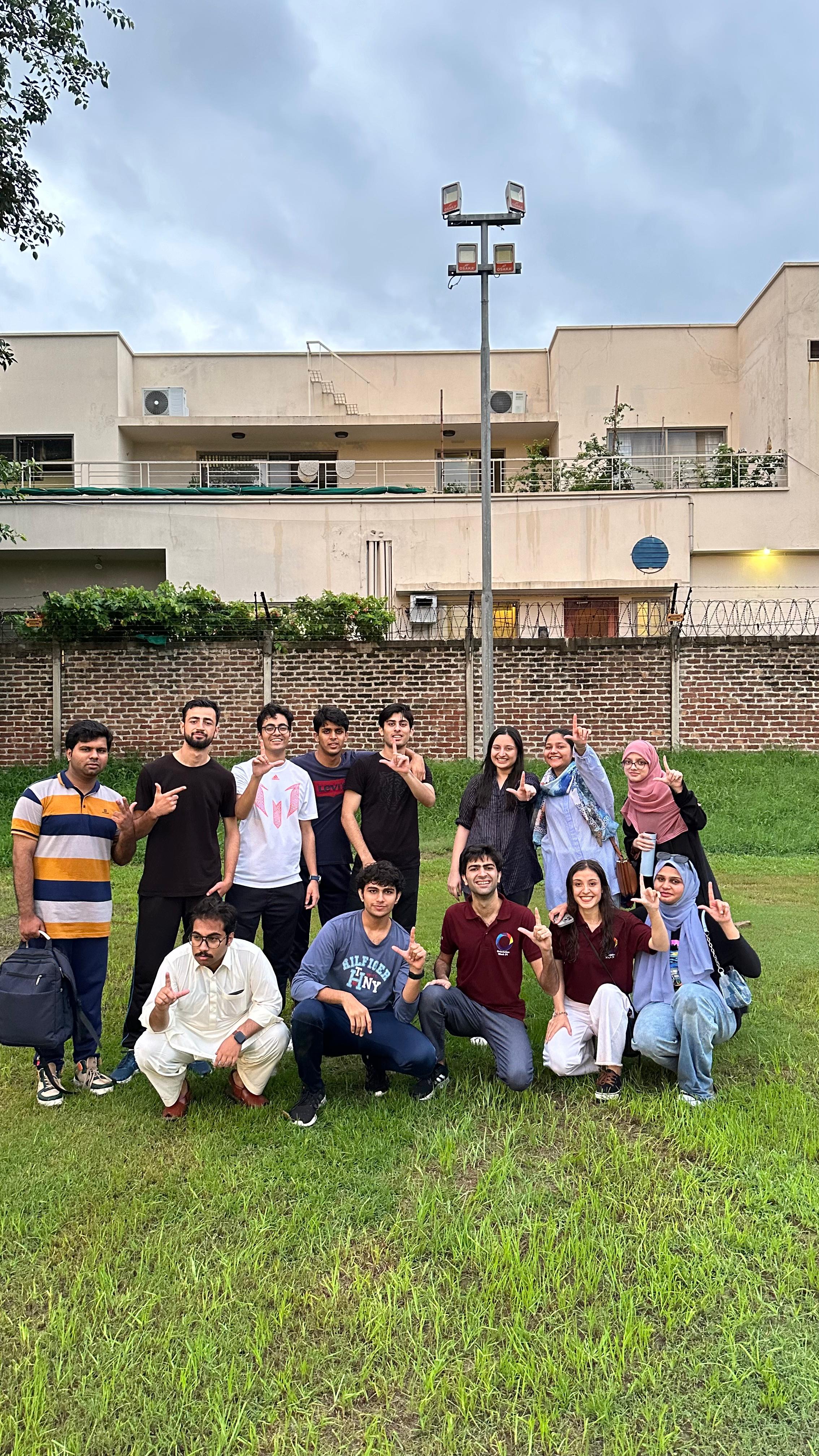
LUMS shaped not just my academics but my confidence and leadership. I became Vice-Captain of the Volleyball Team, Assistant Director of Culture Society, and an O-Week Coach—roles that transformed me. My friends and professors supported me through struggles, showing kindness and empathy. At LUMS, I learned leadership is about showing up, learning, and lifting others.
How do you think financial support from donors changed the course of your journey?
If it weren’t for the financial support I received, I simply wouldn’t have been at LUMS. That’s the truth. I might have still been studying somewhere in Pakistan, maybe at some other university, but not at one of the prestigious institutions in the country. A place that changed my way of looking at the world, a place that became the primary source of my confidence. And one thing that is particularly important about this place is the fact that it instilled in me a deep sense of gender egalitarianism and the courage to fight for my rights as a girl, thanks to the courses I took at LUMS.
The donors who funded my education didn’t just give me a scholarship; they gave me a chance at a future I couldn’t have imagined for myself. Being at LUMS didn’t just give me a degree. It changed the way I think, the way I dream, and the way I now carry myself in rooms I never thought I belonged in. Without that support, I wouldn’t be where I am today. It changed everything.
Now that you’ve graduated, can you tell us what you’re doing professionally or academically?
I’m working as a Program Officer at HIMAT Consulting on development projects, while preparing for graduate school. With a modest CGPA, I know it’s tough, but I’m strengthening my profile through research, work experience, and publishing my senior project. What I’m proudest of is that I haven’t stopped dreaming, even when the odds are against me.
Your journey has already inspired so many. What advice would you give to other young girls from underserved areas?
Don’t let where you come from define your future. You don’t need to be perfect, just brave enough to try and stubborn enough to keep going. Dream without guilt, ask questions even when your voice shakes, and apply even when you doubt yourself. Your dreams aren’t too big, they’re just unfamiliar to those around you.
What message would you like to share with the donors who made your LUMS experience possible?
Because of your support, my father, who once feared whether he could even afford to send one daughter to university, found the courage to educate three more. Today, all my younger sisters are studying in some of the best schools and universities in Pakistan. Not because we suddenly had the means, but because he now believed in the possibility.
And that belief didn’t start in our home. It started with you.
With someone, somewhere far away, who had never seen my face but still chose to invest in my future. You believed in a girl from a forgotten corner of the mountain, a girl with dreams too big for the world she came from.
What does your LUMS degree represent to you, your family, your village, and the next generation of dreamers?
My degree is freedom, a voice, and a place at the table. For my family, it proved daughters can be the strength parents rely on. For my village, it challenges the painful norm that girls should marry early because education is “wasted.” It shows that a girl is not a burden but an investment—one that can change everything.