

LUMS at ThinkFest 2026


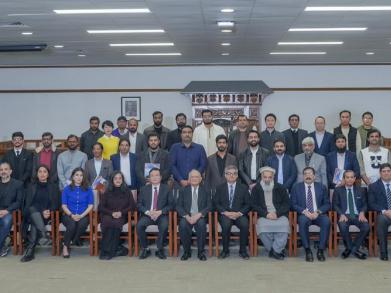
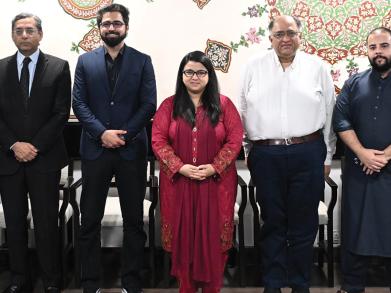
The LUMS community was well represented at the ninth Afkar-e-Taza ThinkFest, held at Alhamra Arts Council from January 23-25, 2026, contributing scholarship, policy expertise, and heritage research across multiple sessions that addressed critical national challenges.
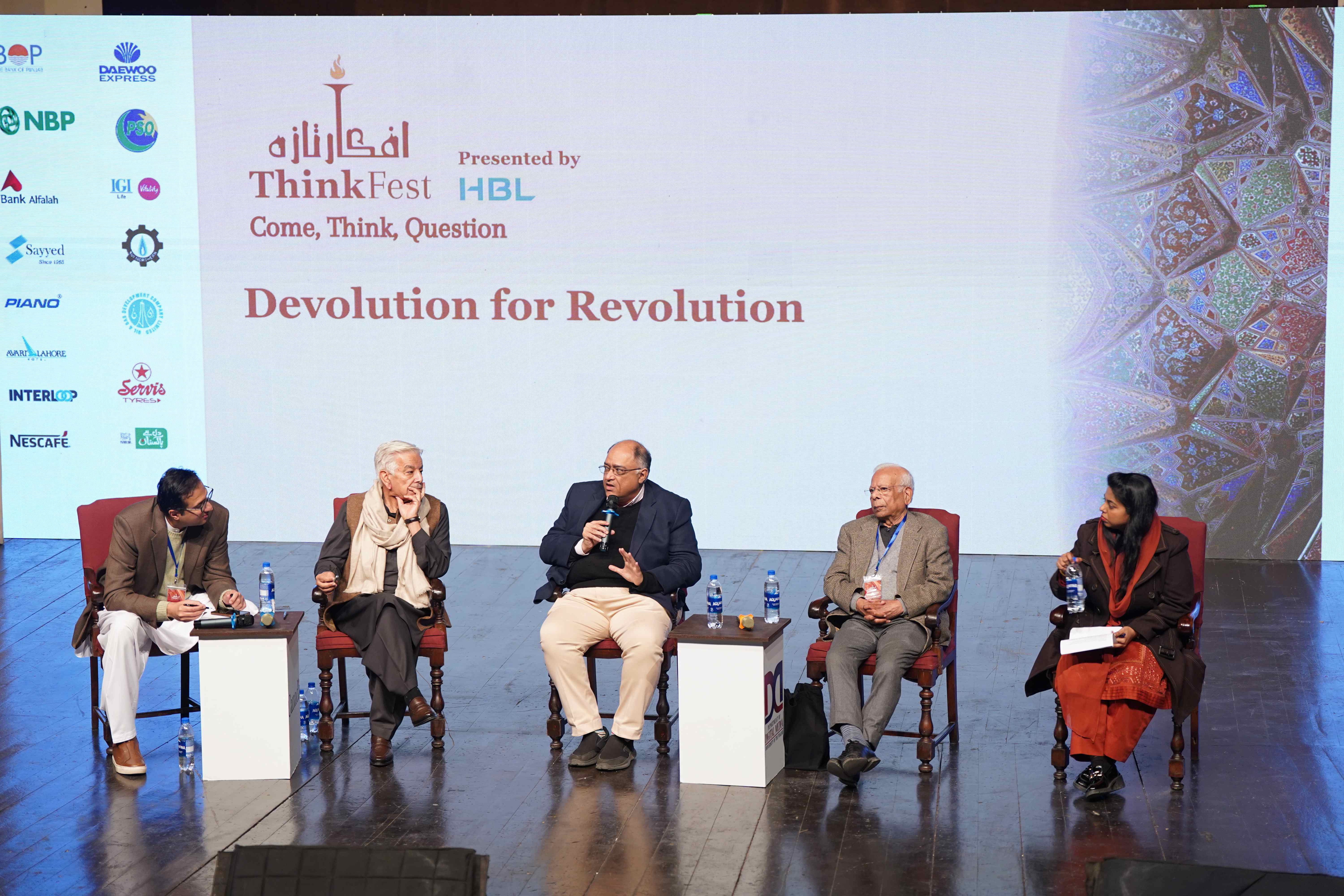
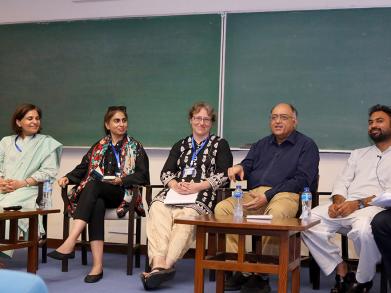
Vice Chancellor Dr. Ali Cheema participated in two major policy sessions on governance reform and economic development. In "Devolution for Revolution", alongside Defence Minister Khawaja Muhammad Asif, former State Bank governor Dr. Ishrat Hussain, and former MPA Mary James Gill, Dr. Cheema discussed the role of local governments in strengthening service delivery and democratic governance.
"Pakistan is a lower-middle-income country, but our social indicators look like those of a poor country," Dr. Cheema stated. "People still struggle for clean water, sanitation and basic education. We also have one of the highest child stunting rates in the world for our income level."
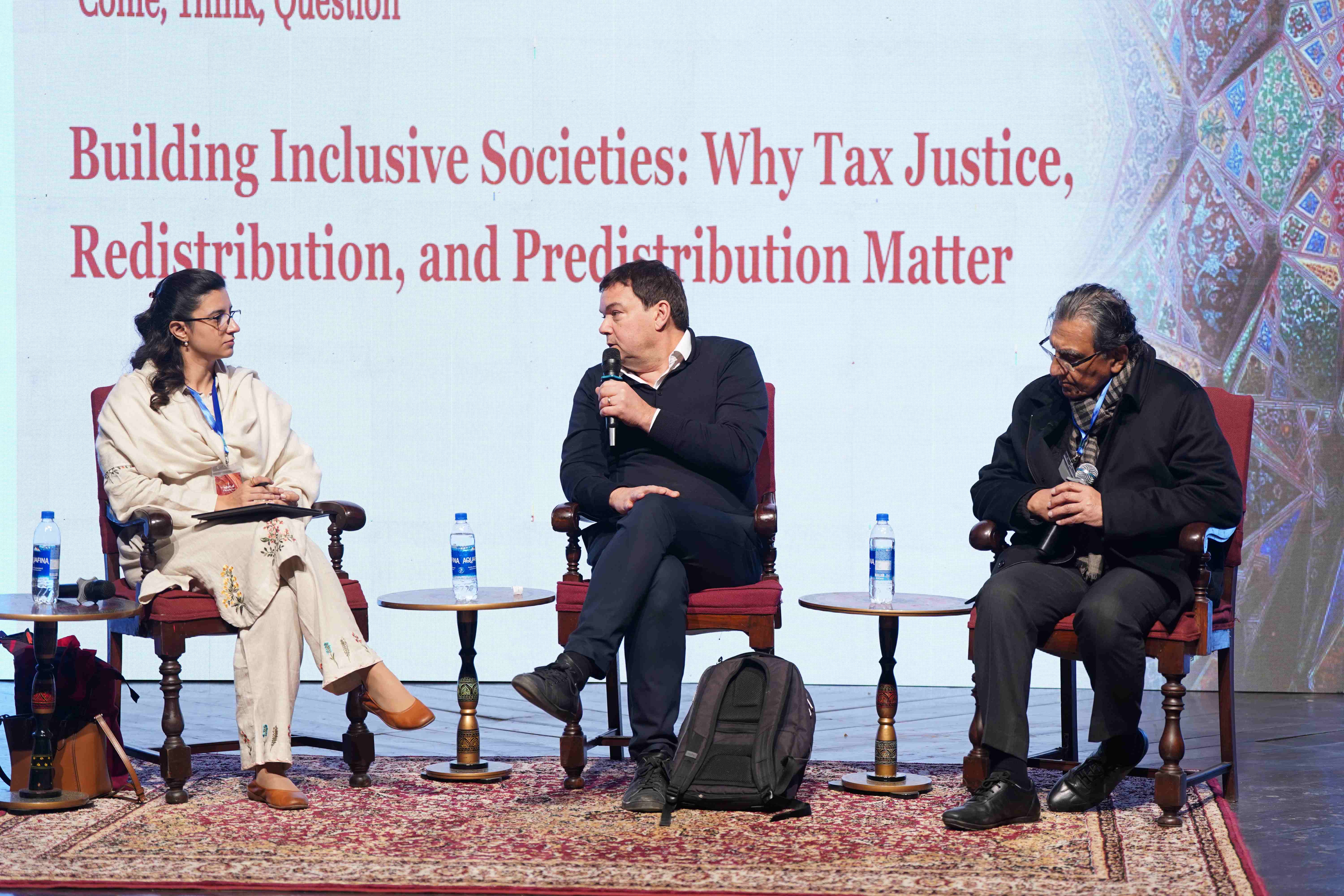
LUMS collaborated with ThinkFest to host Professor Thomas Piketty of the Paris School of Economics for a session titled "Building Inclusive Societies: Why Tax Justice, Redistribution, and Predistribution Matter." Dr. Farah Said, Executive Director of the Mahbub-ul-Haq Research Centre and Associate Professor of Economics at LUMS, moderated the discussion examining Pakistan's inequality patterns, where the top 10 percent capture 42 percent of total income while the bottom 50 percent receive just 19 percent. Professor Piketty drew on research from the World Inequality Database to demonstrate how more equal societies achieve stronger productivity through sustained investment in education, health, and human capital.
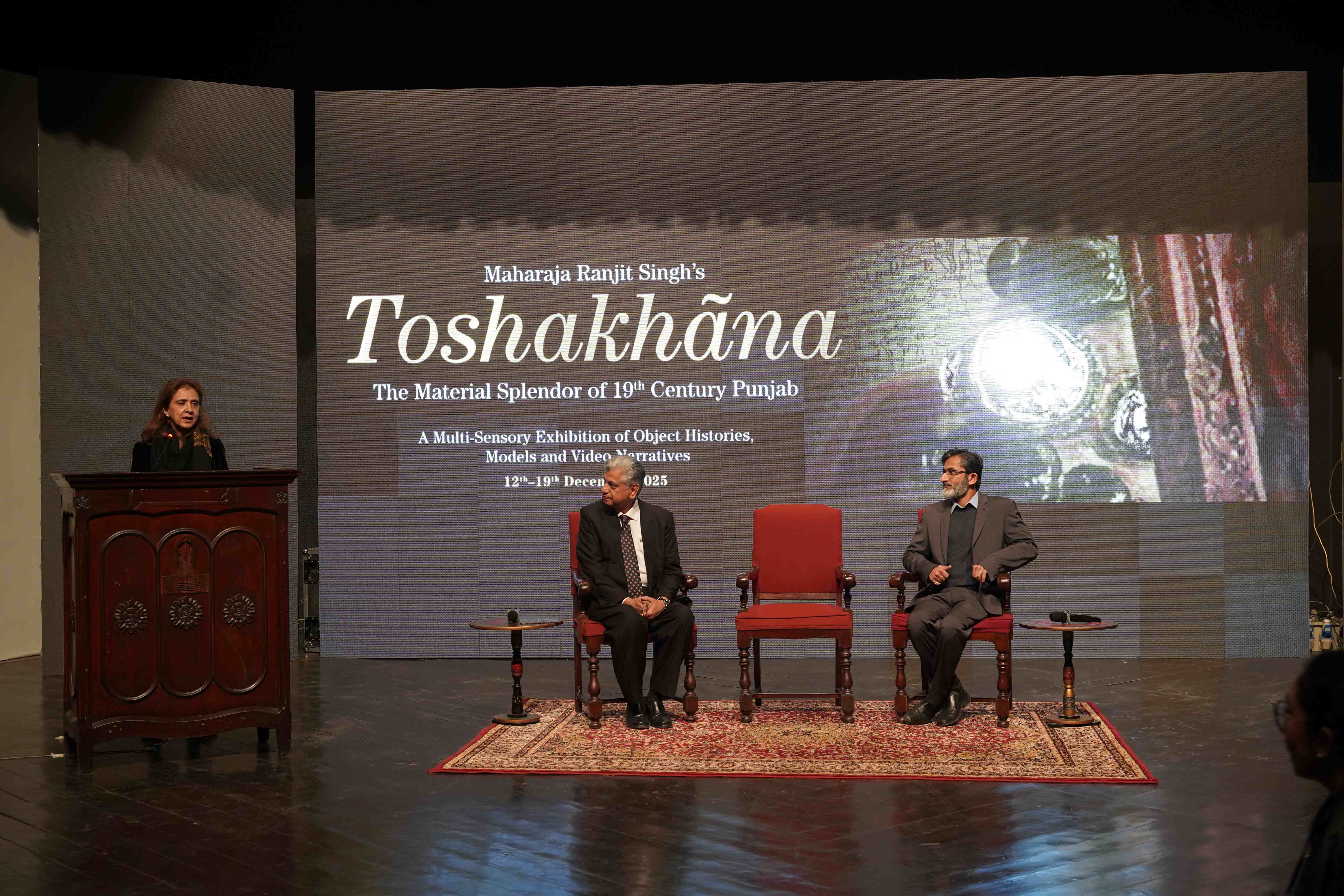
The university also presented its Toshakhana exhibition throughout ThinkFest, showcasing "Maharaja Ranjit Singh's Toshakhāna: The Material Splendour of 19th Century Punjab." The exhibition combines art history with artificial intelligence to trace the dispersal of Punjab's royal treasury following annexation in 1849.
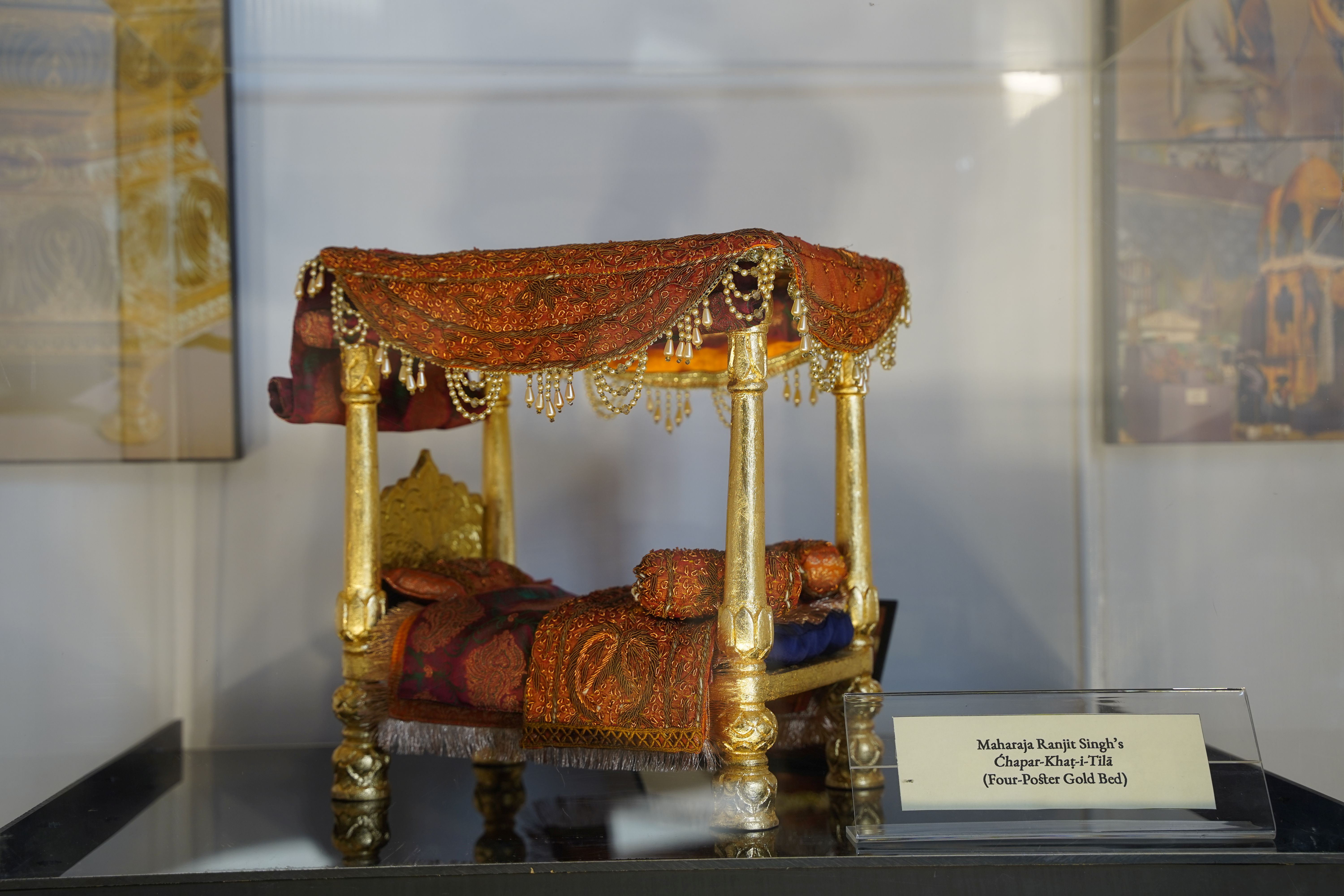
Curated by Dr. Nadhra Shahbaz Khan, Associate Professor of Art and Architectural History, and Dr. Murtaza Taj, Associate Professor of Computer Science, the exhibition features digital reconstructions of lost treasures including the Maharaja's silver bungalow and narratives tracing precious gems such as the Koh-i-Noor diamond. Using advanced AI and large language models, the research team has tracked dispersed objects across global museum collections and historical documents, creating new methodologies for heritage recovery and documentation.
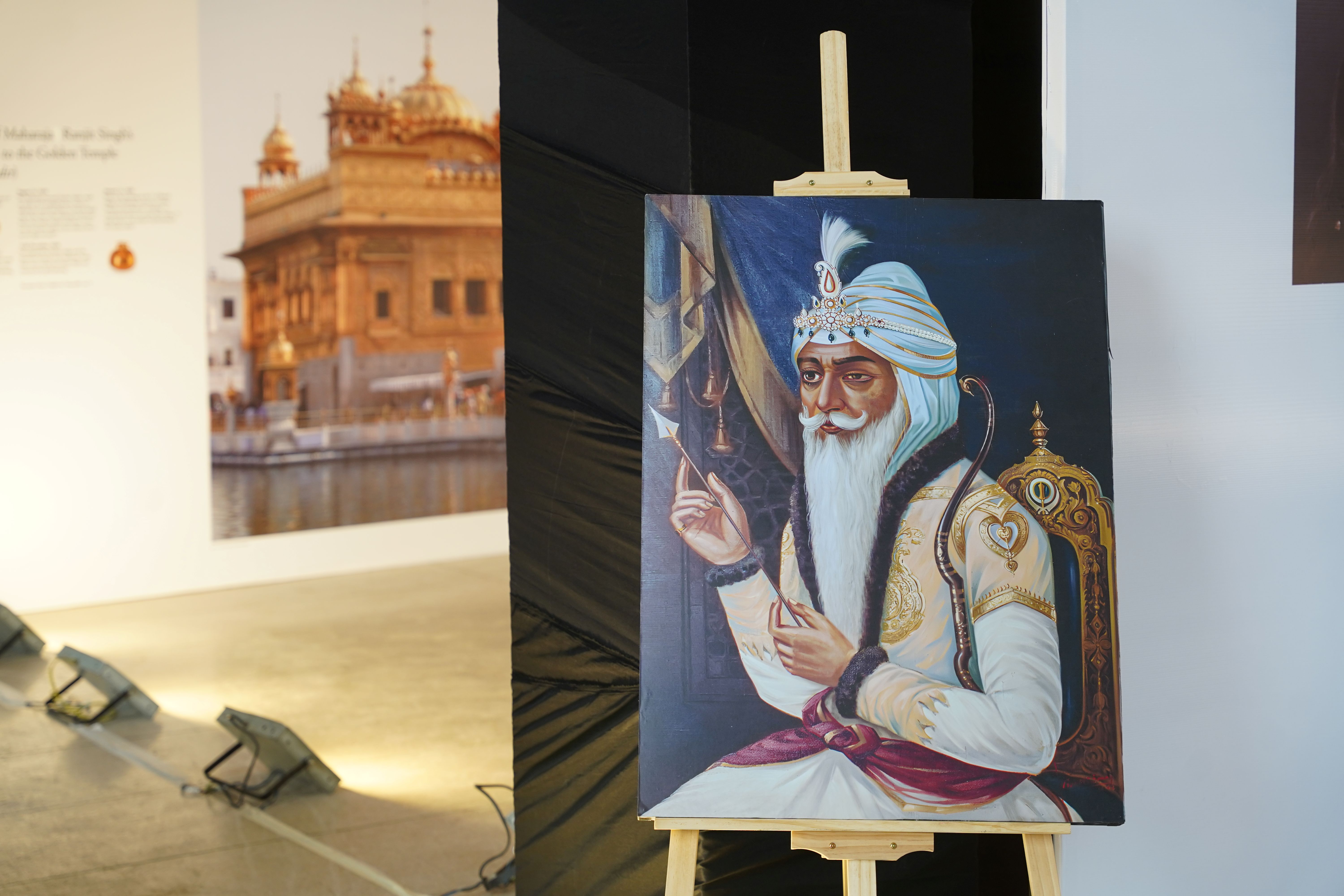
"The intention is not to mourn what has been lost, but to recall or reimagine, and then read these objects as living portraits of their age; of the hands that shaped them, the eyes that admired them, and the refined aesthetics of a society that brought them into being," Dr. Khan noted at the exhibition opening.
The exhibition is part of Heritage at LUMS, an initiative advancing heritage scholarship through research, preservation, and public engagement.
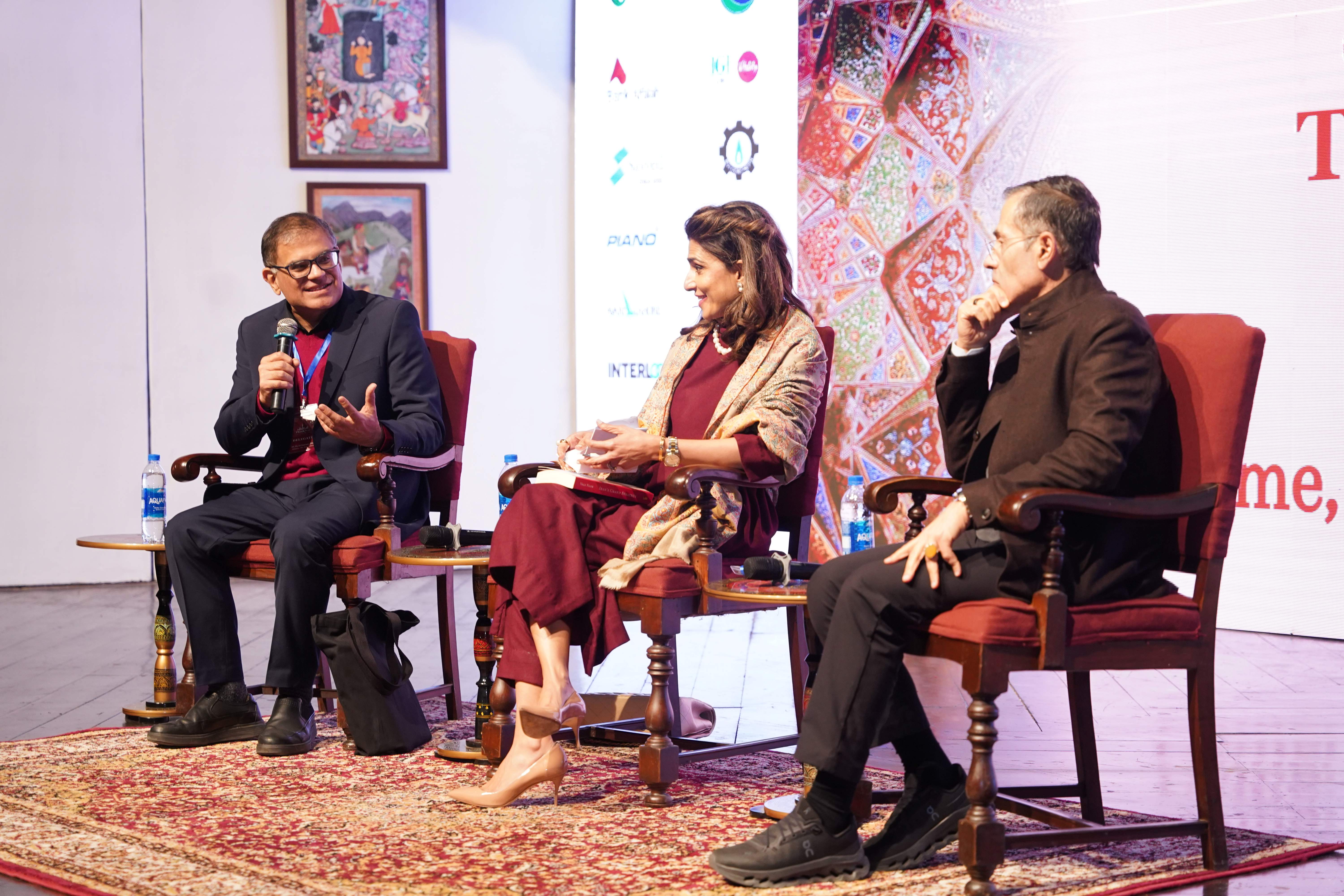
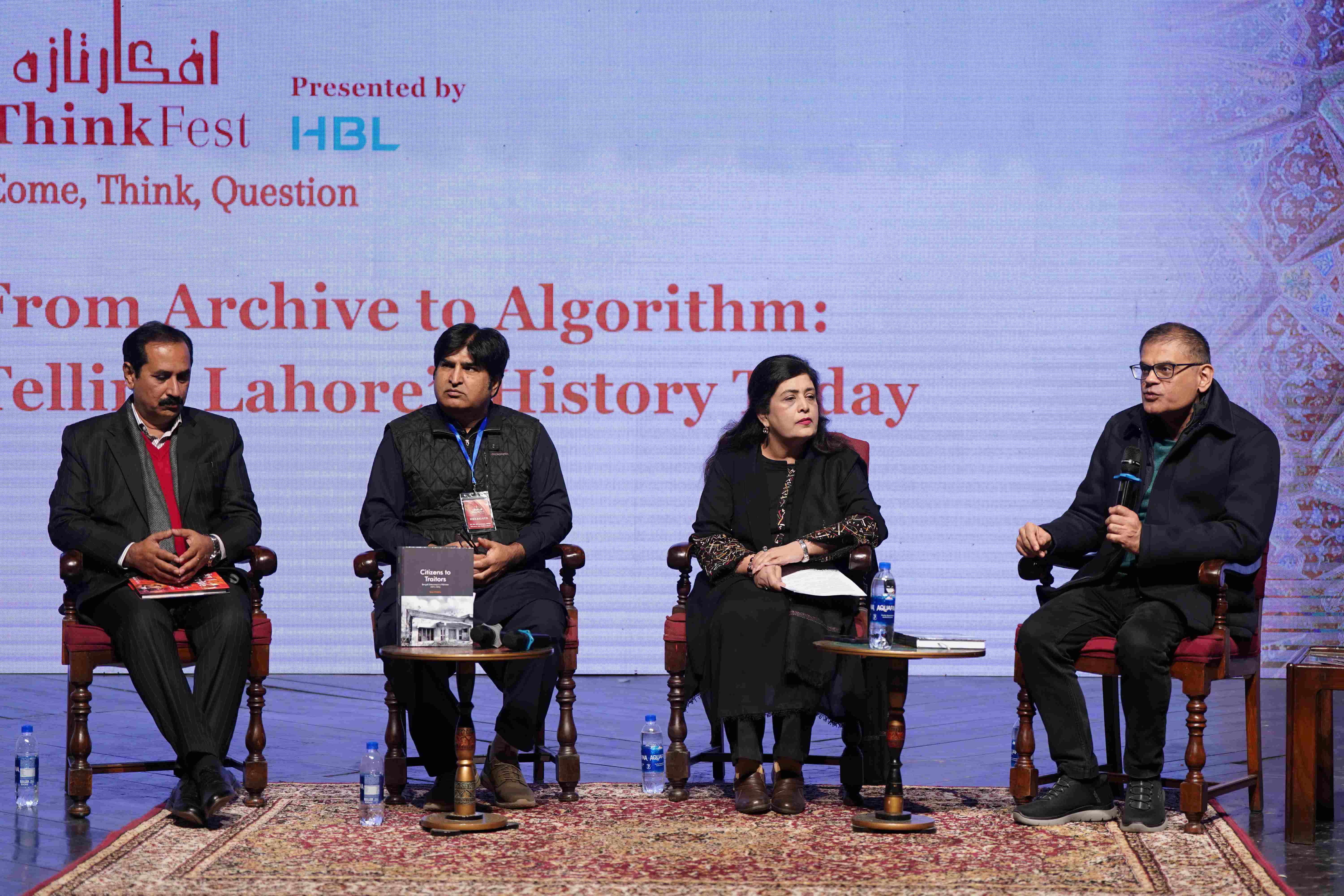
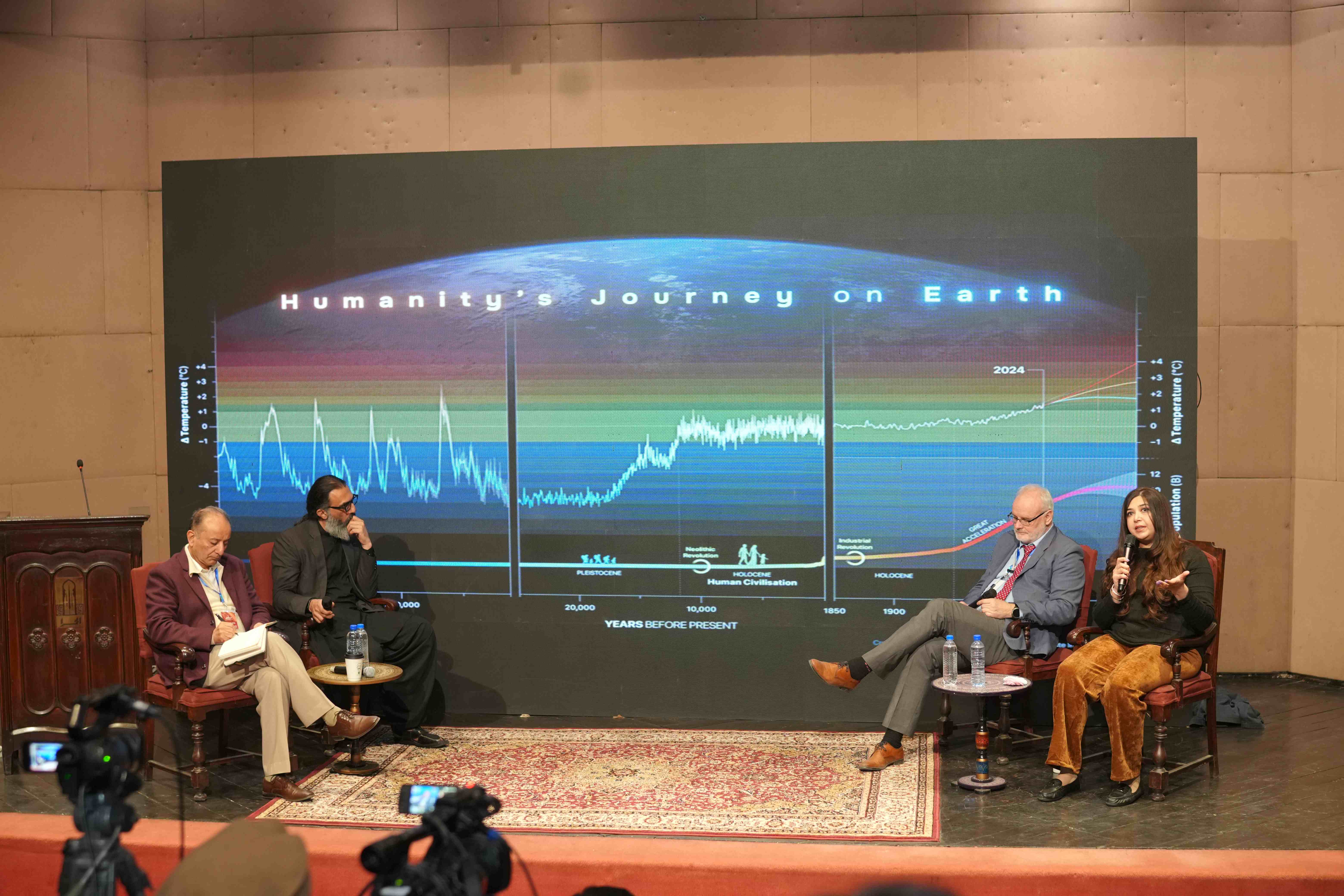
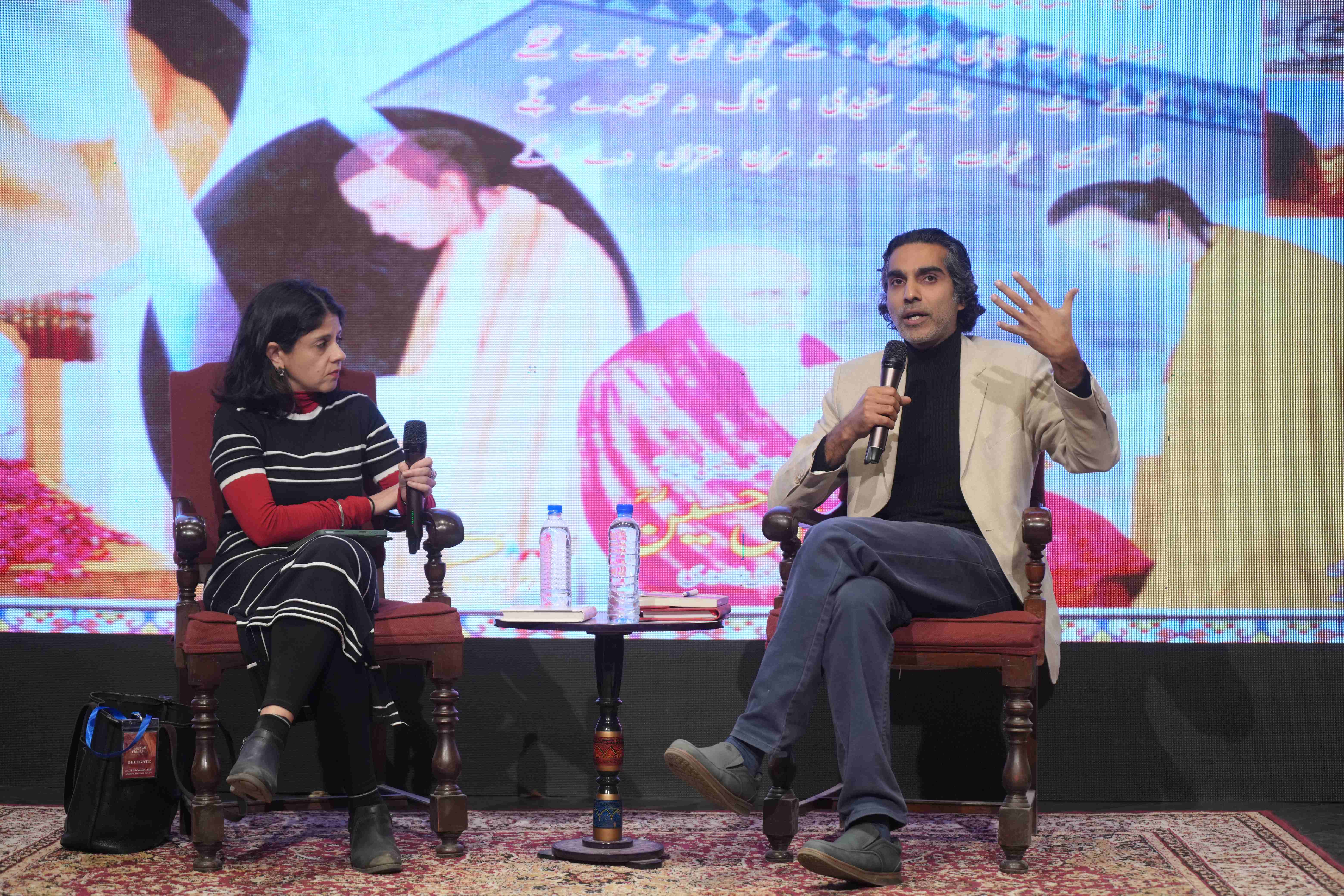
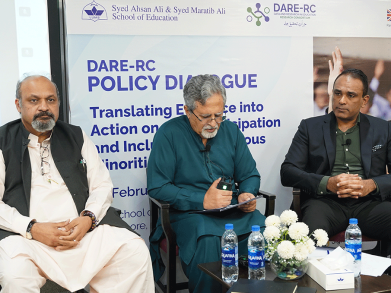
Over three days, LUMS faculty participated in multiple panels. Ms. Angbeen Mirza, Dr. Hadia Majid, Dr. Amen Jaffer and Dr. Nida Kirmani contributed to discussions on progressive laws, Sufi shrines in urban Pakistan, development economics, and populist movements. LUMS alumni also featured prominently, including former Foreign Minister Hina Rabbani Khar, who examined Pakistan's position in evolving US-China relations.