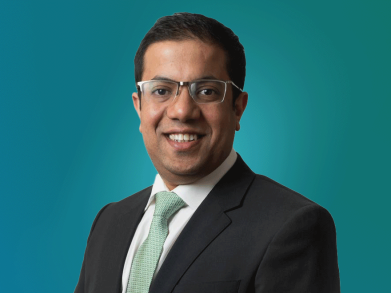


SDSB Faculty, Dr. Syed Aun R. Rizvi Recognised on Clarivate’s 2025 Highly Cited Researchers List
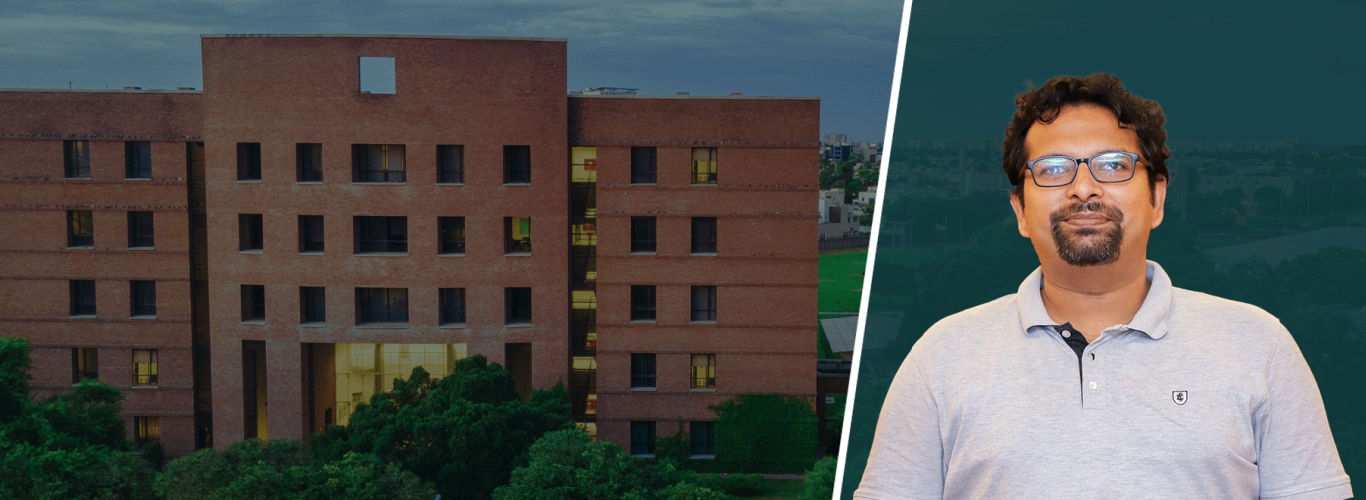


Suleman Dawood School of Business (SDSB) faculty member, Dr. Syed Aun R. Rizvi, has been named to the 2025 Highly Cited Researchers List by Clarivate, a distinction that places him among the top 1 in 1,000 researchers worldwide.
Each year, Clarivate's Institute for Scientific Information recognises researchers who have demonstrated significant and broad influence in their fields through multiple highly cited papers, ranking in the top 1% by citations in the Web of Science over the past eleven years.
Dr. Rizvi’s recognition reflects the international and collaborative nature of his work, much of which involves research partnerships with central bank researchers from Indonesia, Sri Lanka, Maldives, Vanuatu, and Fiji. These collaborations anchor the policy relevance of his scholarship and contribute to his standing in the field. His long-standing research contributions have also led to his appointment as Editor-in-Chief of the International Journal of Islamic and Middle Eastern Finance and Management, the leading academic journal on Islamic finance globally.
We had the opportunity to speak with Dr. Rizvi about his work, his research journey, and his perspectives on emerging directions in finance.
Your work has been consistently cited over the past eleven years. What do you think has driven the sustained impact of your research?
The sustained impact comes from focusing on questions that are current and matter for both academic debate and real policy practice. My research addresses financial economics, macroeconomic shocks, climate risks, and Islamic finance, all of which remain important for developing countries within Asia-Pacific and also for coastal and island economies which I focus on currently. These topics attract consistent global interest because they influence real decisions made by policymakers and institutions. Collaboration has also been important. Working with colleagues from different regions has helped ensure that my work remains relevant, grounded in reality and visible. I also place strong emphasis on empirical rigour and clarity, which helps build trust in the findings and keeps the research useful over time.
How has the research environment at SDSB and LUMS shaped or supported your work over the years?
SDSB has provided an environment that strongly supports an independent research agenda, and also mobility which is critical for building a network and local context at global level. I have benefited from academic freedom, supportive colleagues, and strong institutional support. School encourages both rigorous research and policy-oriented work, and this combination has shaped the way I approach financial and economic questions. Access to motivated students, international networks, and collaborative culture has played a major role in strengthening and sustaining my research agenda.
Looking ahead, is there anything in particular you are planning to explore next in your research?
In the coming years, as I work more on policy matters in developing countries, I plan to deepen my work on financial resilience and climate-related vulnerabilities. I am particularly interested in the interaction between climate finance, financial stability, and recently in central bank communication. These topics are becoming central to both regulators and private-sector decision makers.
What advice would you give to researchers who are looking to pursue work in this field?
Choose questions that matter for society and the economy and let those questions guide your choice of methods. Stay honest and spend time building strong technical skills but also learn to explain your work in a clear and accessible way. Focus on consistency rather than speed. Collaboration is extremely valuable, especially in fields that combine economics, finance, climate science, and public policy. Finally, remain open to learning, because the landscape of financial and sustainability challenges continues to evolve.
Dr. Rizvi’s guidance for aspiring researchers, along with his own sustained contributions, exemplifies the standards of excellence and global impact in the field of finance and economic research.
LUMS congratulates Dr. Rizvi on this significant achievement and celebrates his continued commitment to impactful and high-quality research.